Industry Solutions
XINYA supplies excavator parts including hydraulic pumps, travel motors, swing devices, control valves, engine parts and undercarriage components. Send us your machine model, OEM part number or product photo for fast matching and quotation.
Industry Solutions
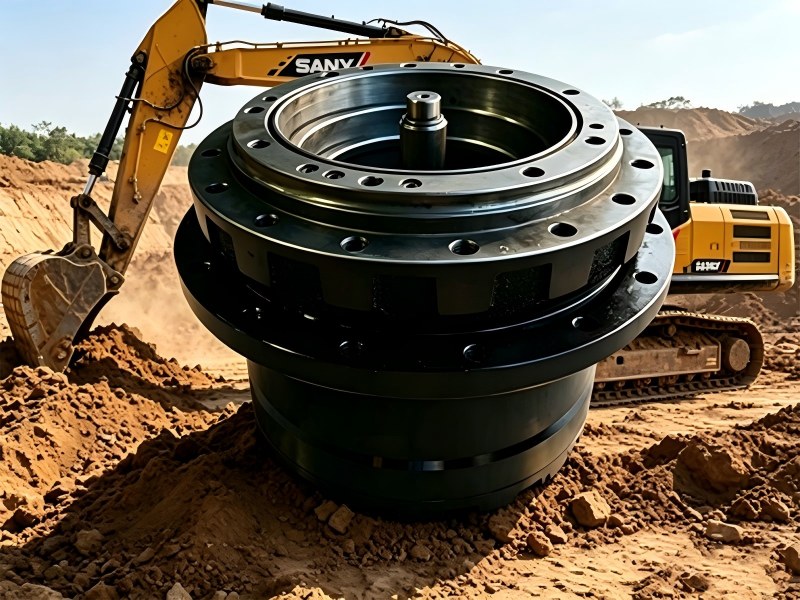
1.Installation Precautions Surface Preparation: Ensure the mounting surfaces between the gearbox and track frame are perfectly level and free of debris to prevent structural stress. Torque Management: Use high-strength bolts with thread locker; tighten symmetrically to specified torque settings to prevent loosening during high-vibration operations. Pre-lubrication: Fill with the designated grade of gear oil to the required level and bleed trapped air before startup; dry operation is strictly prohibited. 2.Maintenance & Troubleshooting Initial Oil Change: Perform the first oil change within the initial 100 operating hours to eliminate microscopic metal fragments generated during the break-in period. Leakage Monitoring: Closely inspect floating seals. Any leakage at the sprocket hub requires immediate replacement to prevent abrasive contaminants from destroying the gear train. Warning Signs: If abnormal vibration or metallic clashing occurs, shut down immediately for oil analysis to prevent bearing failure from causing catastrophic housing damage.
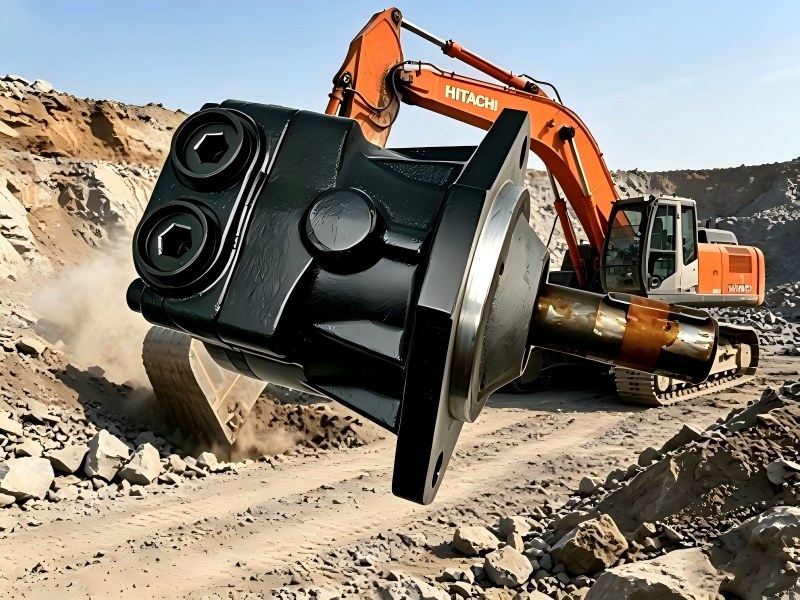
1.Installation Precautions Port Cleanliness: Ensure all hydraulic line ports are pristine before connection. Even microscopic contaminants can score the motor’s internal distribution plate. Priming & Air Bleeding: It is mandatory to pre-fill the motor casing with clean hydraulic oil via the drain port and bleed trapped air before startup to prevent cavitation or “dry-start” seizure. Balance Verification: Inspect the fan blade’s dynamic balance during assembly. Ensure a secure and concentric connection to avoid premature bearing failure caused by excessive vibration. 2.Maintenance Guidelines Oil Quality Monitoring: Regularly check hydraulic oil cleanliness. Fluid contamination is the primary cause of reduced motor speed and diminished cooling efficiency. Leakage Inspection: Monitor the shaft seal for any signs of seepage. Promptly replace seals upon detecting leaks to maintain optimal cooling performance and prevent engine overheating issues.