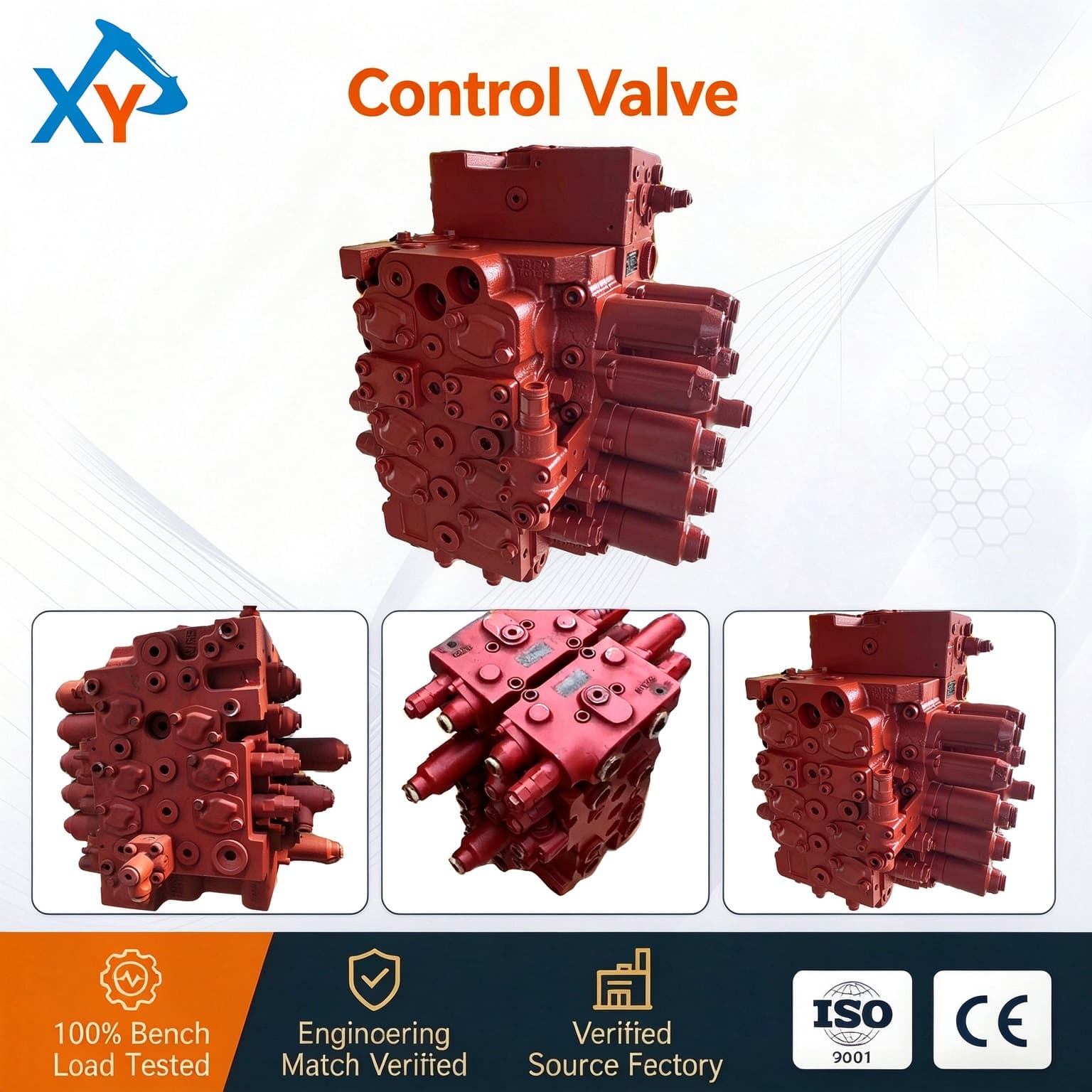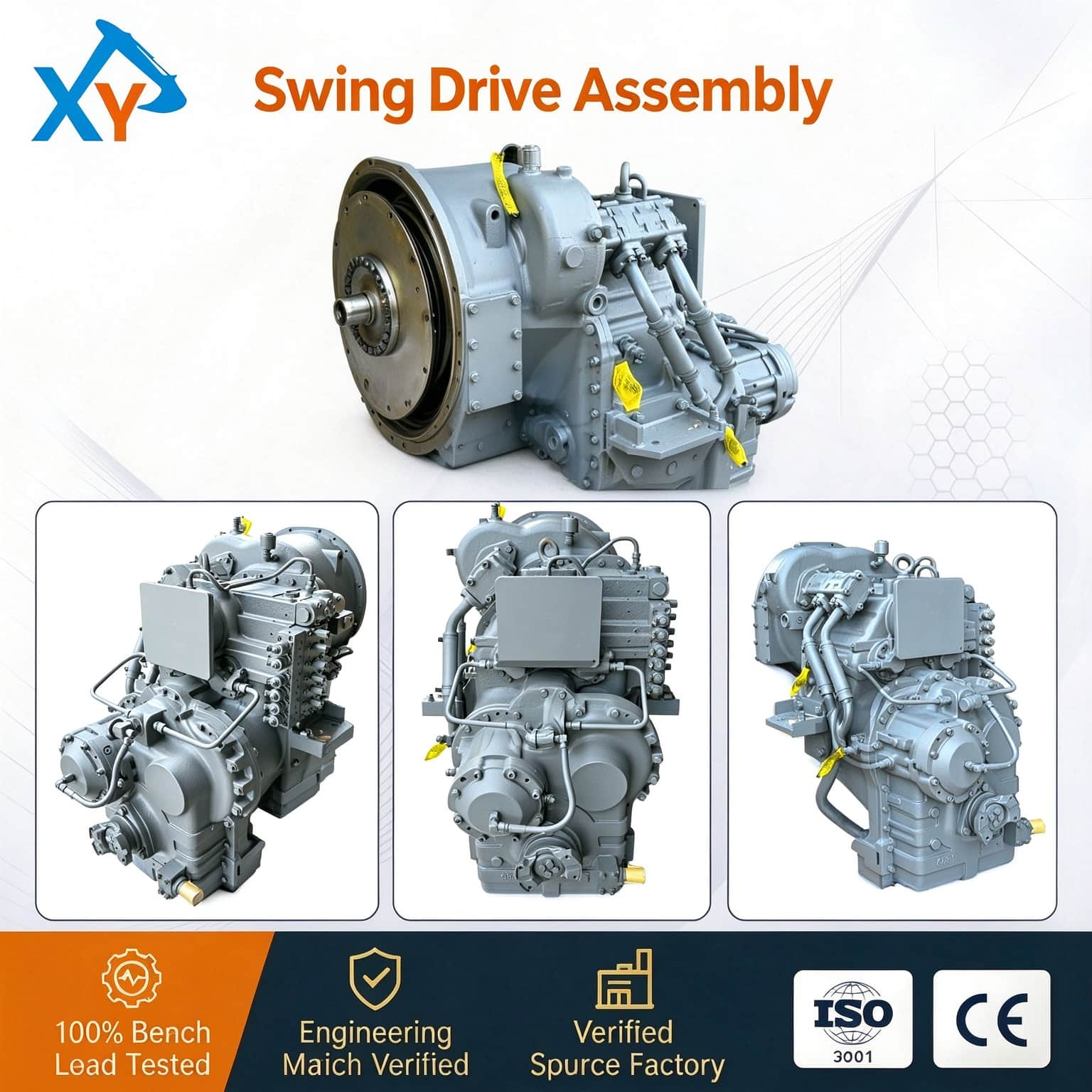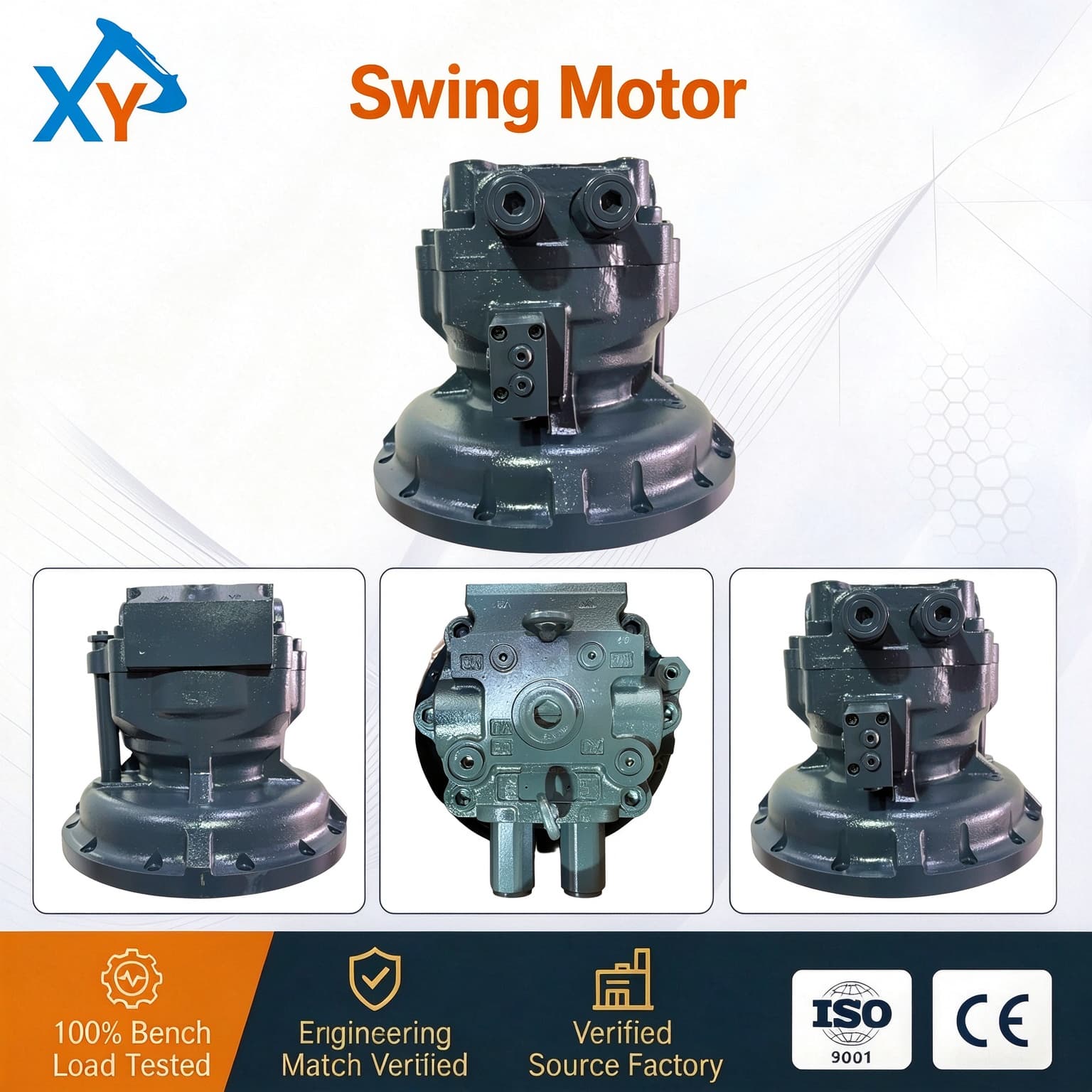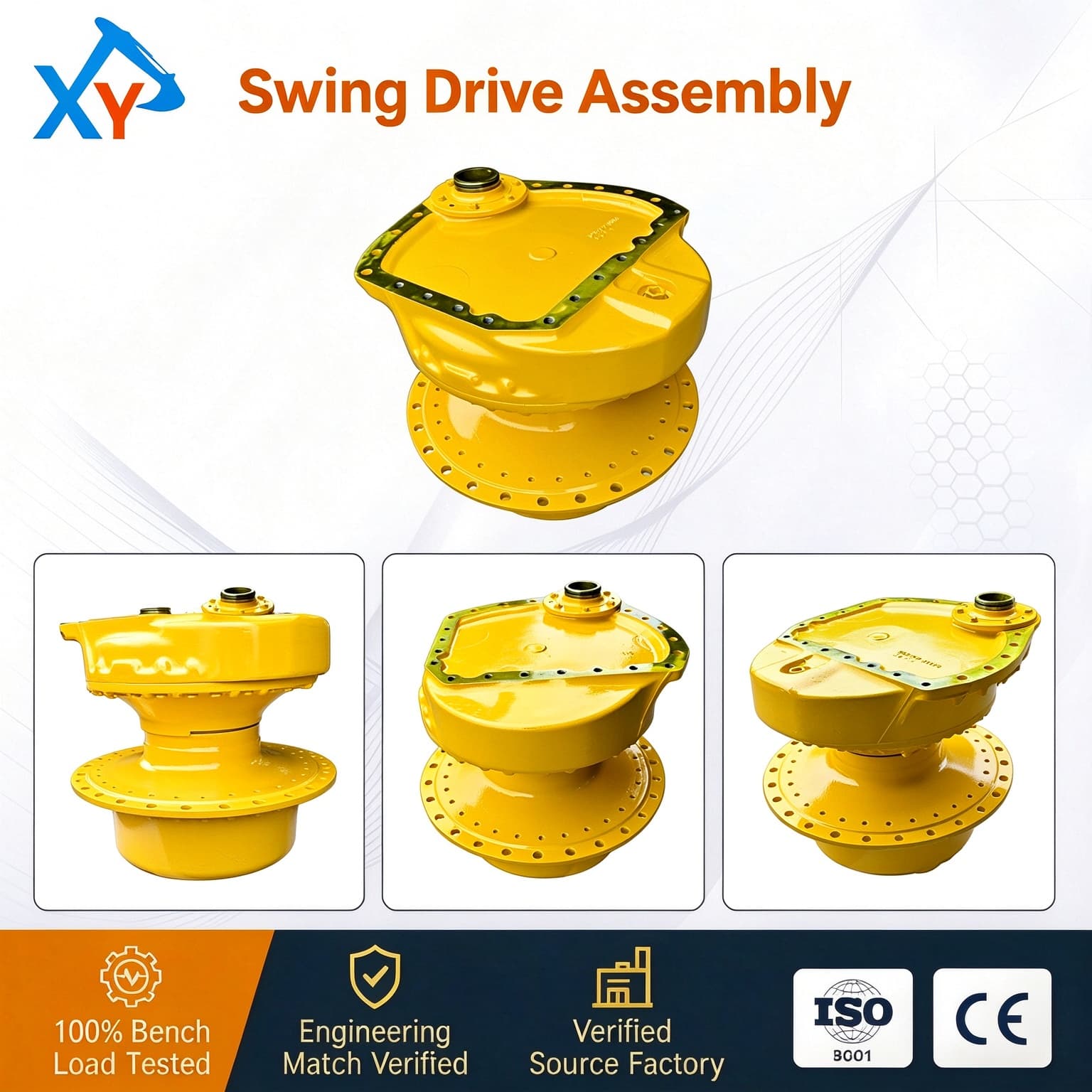
XINYA supplies excavator parts including hydraulic pumps, travel motors, swing devices, control valves, engine parts and undercarriage components. Send us your machine model, OEM part number or product photo for fast matching and quotation.
XINYA supplies excavator parts including hydraulic pumps, travel motors, swing devices, control valves, engine parts and undercarriage components. Send us your machine model, OEM part number or product photo for fast matching and quotation.

A reference number and a product photograph are a beginning. Before buying an excavator fuel filter, we would want to open the application document and see what remains to be checked.
We would start with the application. Which machine and engine is it for? Where does this filter sit in the documented arrangement? Then we would put the performance information and mounting requirements beside that reference.
At XINYA, we recommend sending those questions together, with any uncertainties left plainly visible.
Our broader parts procurement checks discuss supplier evaluation. This guide stays with the fuel filter being offered for a known application. Ratings for a particular application and replacement intervals remain with the applicable product and machine instructions.

Begin the purchase sheet with the machine reference and the applicable engine information. Beside that identification, we suggest noting the filter position from the approved application reference you are using.
A maintenance document or parts listing should be identified by its version where that information is available.
What if the drawing shows several filter positions? We would mark the position on a copy and use the wording printed there in the inquiry. The supplier can then explain the connection between that position and its offer.
Where the position itself is uncertain, that uncertainty should appear on the purchase sheet.
You can consult our engine parts catalog during an engine-related inquiry. Keep the application reference alongside it, however. For this purchase, we suggest recording the engine identification, intended position and proposed filter reference on the same sheet.
Also write down the supply scope you are requesting. We would describe the requested supply as an element, an assembly or whatever other scope has been defined for the quotation. Where associated sealing items matter to your order, ask what is included.
Our preference is to keep the answer with the quoted line, available when the scope of the proposal is discussed.
A prominent filtration value can draw attention away from an unfinished question: what exactly has been reported? We would keep that field awaiting clarification until the supplier identifies the product document and explains the basis of the result.
The public ISO 19438 abstract names particulate removal characteristics, contaminant capacity and differential pressure as test outputs. In our proposed review, each required output would get its own entry alongside the application requirement.
We would leave an unexplained result awaiting a definition rather than treat the number as an acceptance decision.
For a hypothetical inquiry, we would request the filter reference covered by the result and the place where its test conditions are documented. The example concerns how to request information. It contains no measurement or test result for an XINYA filter.
A particle-size rating deserves its definition and evaluation basis beside it. Those are the details we would request when the proposal supplies the rating alone. Record the method or reference supplied. Then take the comparison back to the requirement for your engine or system.
This guide deliberately supplies no universal acceptance value.
There is no need to make an incomplete comparison sheet look finished. Write that clarification has been requested and name the missing information. Keep the supplier’s reported result distinct from a requirement that your application document has actually established.
Does the application call for fuel/water separation? We suggest putting it on its own line, with a request for the offered item’s supporting information. The reported result and its documented conditions both belong in that response.
Fuel/water separator comparison tests use defined, simplified laboratory conditions. Read those conditions with the result. We would not turn that result into a promise for every machine or operating situation.
Keep the water-separation documents beside the filtration documents, with clear labels for each. Ask which document answers which question. If you are uncertain what the application requires in the first place, we would put that question to the machine specification approver.
Consider a hypothetical reply that supplies particle-filtration information but says nothing about the water-separation line. We would retain the supplied information and query the omission. One part of the review could be complete while the other still awaited a document.
Put the applicable drawing or interface reference in front of you before reviewing dimensions. Which features does it actually call out? For each one you need confirmed, record the feature description, unit and required value beside the supplier’s information.
Depending on the drawing, your questions could concern an attachment, seating surface, sealing arrangement or another specified interface. Only the features called for by your applicable drawing belong in that comparison; this is a set of reading prompts for that drawing.
If a photograph doesn’t show the interface clearly, request the view or drawing for the offered reference. We would leave the feature unanswered rather than copy a detail from a different product photograph. The next step would be a request for the proposed item’s own drawing or a clearer view.
Unclear identifying marks need their own attention. Our replacement-part identification guide addresses that earlier task. The application review can resume once the offered item has a clear identity.
Sealing items need a place in the scope discussion as well, with the requirements that apply to the proposed supply. If your application reference specifies an arrangement, send that reference with the question.
We recommend keeping any statement about interchangeability open until the relevant application and interface questions have answers.

We have set out a possible worksheet below. The intended reading order is the requirement, the offered information, then the unresolved question. Use another format if it makes those entries easier for your purchasing team to work through.
The blank example below contains no measured values or assumed XINYA product specifications.
| Purchase field | Reference to provide | Supplier response to request |
| Machine and engine | Identification and document version | Application reference for the offered item |
| Filter position | Applicable listing or drawing | Confirmation of the intended position |
| Particulate filtration | Documented application requirement | Result, definition and supporting method |
| Capacity and pressure | Relevant application requirements | Product information and stated conditions |
| Water separation, if required | Requirement or open question | Supporting document and conditions |
| Mounting and sealing | Drawing and required features | Interface information and supply scope |
| Unresolved issue | Question and responsible contact | Written reply linked to the offered reference |
Add a status beside each field. You might use confirmed, clarification requested, or not applicable with an explanation. These are your review labels. We use these words to describe the state of the review, without implying supplier certification.
Keep the supporting reference with the status. A handover is a useful moment to read the sheet again. Could the next buyer tell which document supports a confirmed entry? We would add a missing reference or reopen the question before leaving that entry for someone else to interpret.
Our preference is to collect the replies in a dated working copy. Read a new reply against the question that prompted it, including the offered item’s identity. If that identity has changed, we would revisit the affected fields.
The previous confirmation should not silently become an answer for a different reference.
Before ordering, we would want a plain distinction between settled information and work still in progress. A result whose conditions are missing would remain on our query list. Missing application requirements would go back to the machine or engine specification approver, with the gap identified.
We also recommend keeping this review separate from maintenance planning. Leave replacement intervals and installation procedures to the applicable instructions. A purchase sheet should stay focused on the item and the requirements for the proposed order.
Send an XINYA fitment inquiry with the machine and engine references, intended filter position, available part number and relevant photographs. Attach the specification or drawing you are using.
Then list the performance and interface questions still awaiting a reply. An existing purchase sheet is worth attaching to that inquiry. Put the unanswered points where the supplier can respond beside them, and keep the agreed version when you place the order.