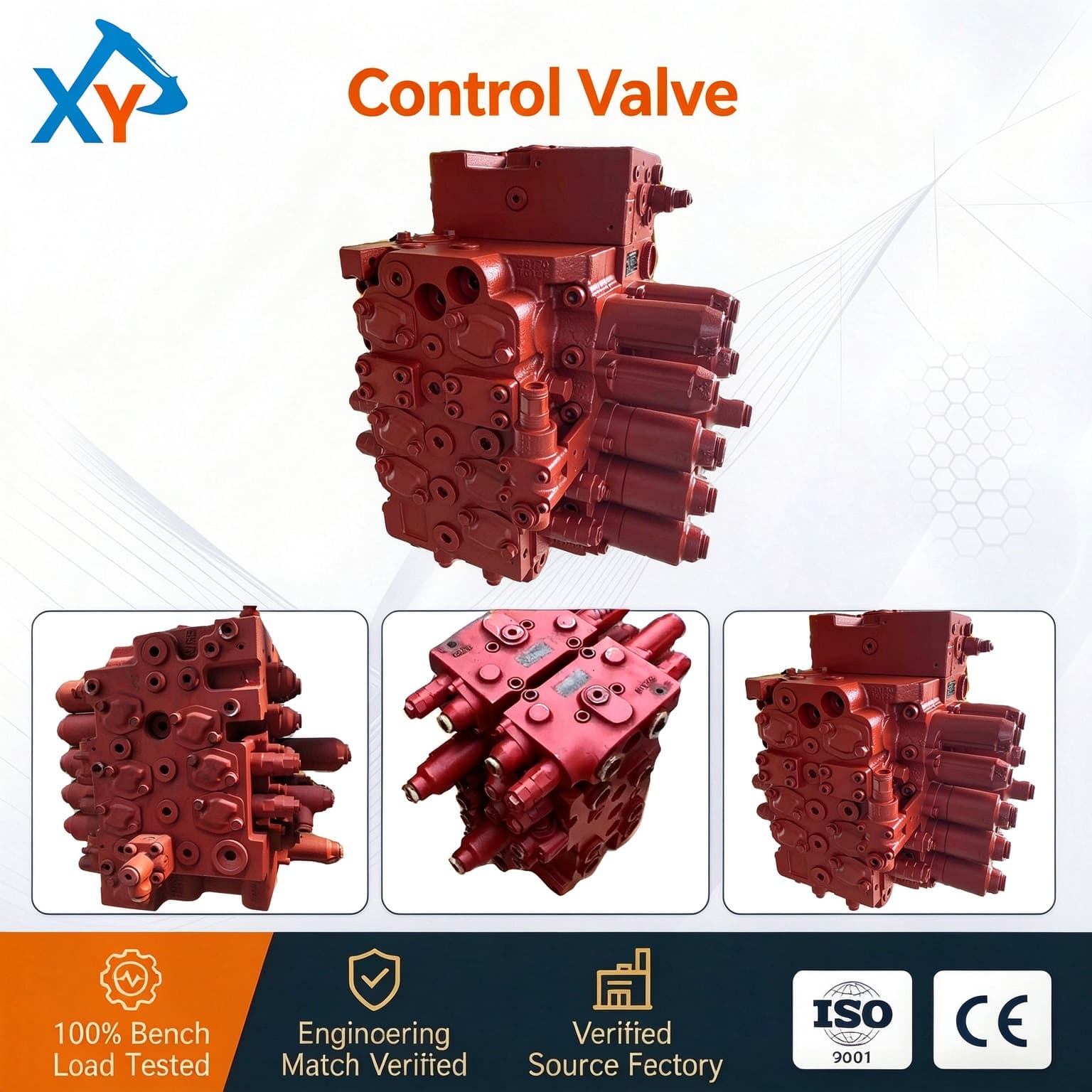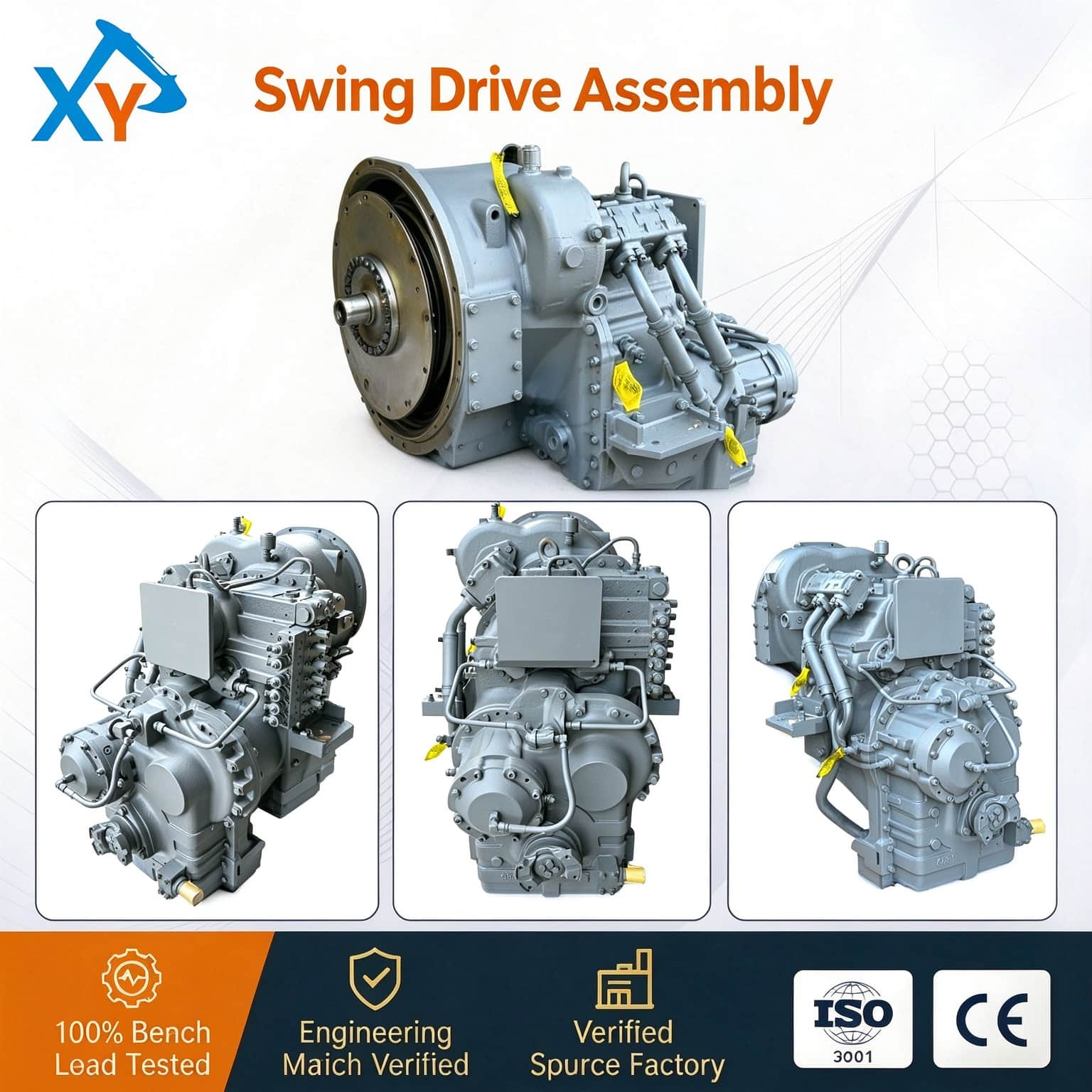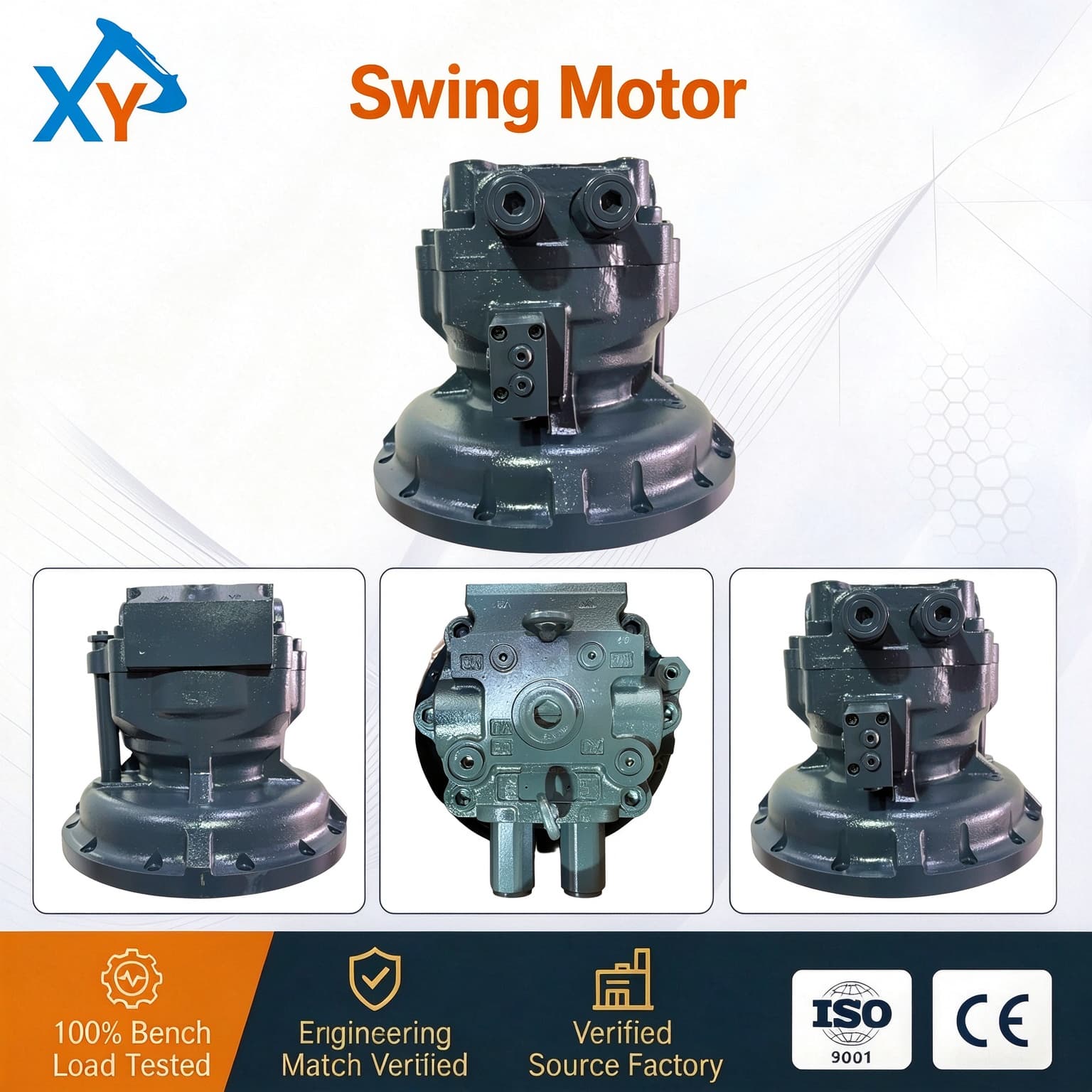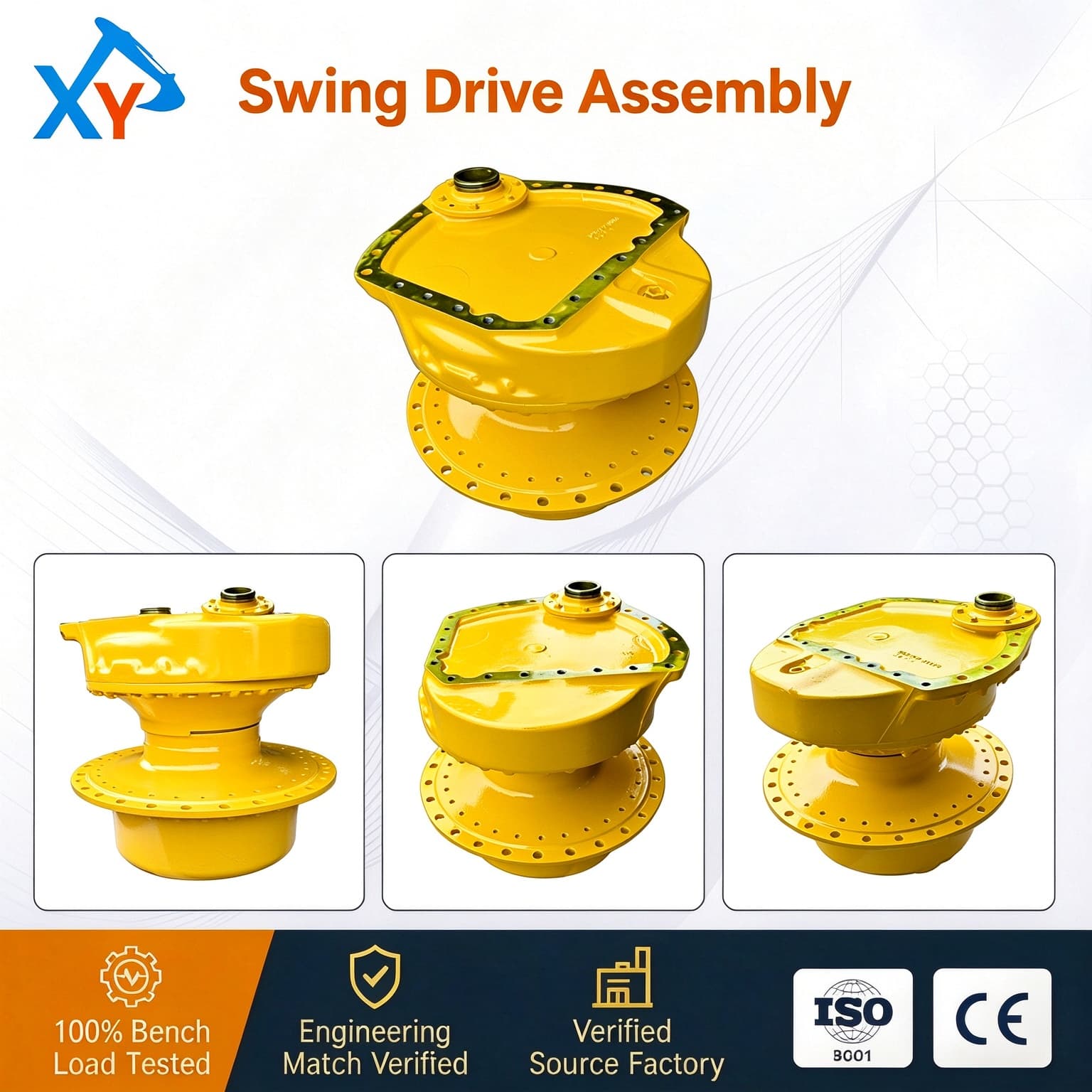
XINYA supplies excavator parts including hydraulic pumps, travel motors, swing devices, control valves, engine parts and undercarriage components. Send us your machine model, OEM part number or product photo for fast matching and quotation.
XINYA supplies excavator parts including hydraulic pumps, travel motors, swing devices, control valves, engine parts and undercarriage components. Send us your machine model, OEM part number or product photo for fast matching and quotation.

An excavator model printed on two quotations does not answer a question about different component references. We would put both offers alongside the installed component record and begin with the point that does not agree.
At XINYA, we recommend keeping that difference open until the relevant application information explains it. A shared machine model is a starting point for the discussion. Parts can change during production, while pumps and valves have their own configuration details to check.
We would put the machine record, the installed component and the offered component side by side.
This guide is for comparing those records when the machine and component are already identified. If you are still identifying an unknown replacement, start with that earlier task. Here, the question is what to do with an apparent configuration difference, before calling either offer a match.

For the working sheet, our preferred arrangement is a column for the machine and separate columns for the installed and offered components. Under the machine heading, record the full model as supplied and the serial or application reference available for the purchase.
Keep any missing information marked as missing.
Under the installed component, place the identification you actually have, with its photograph or document reference. The supplier’s proposed identification belongs in the third column. Leave the descriptions in the form you received.
We would be reluctant to collapse them into a shared machine-model heading while the component references still differed.
For a hypothetical comparison, picture a completed machine column next to an uncertain installed-component version. We would direct the follow-up to that empty part of the record.
The machine has already been named; what is missing is the identification or document that lets you distinguish the installed version from the proposal. That is the information we would request next.
We prefer to write down the disagreement before choosing an explanation for it. Who can answer it, and what would you want to see in that answer? Those are questions for the inquiry.
None of the entries in this suggested sheet represent an inspection carried out by XINYA or a fitment decision already made.
Manufacturers can change parts during a production run. That is why we would look for application information beyond the shared model heading when an offer and an installed part do not agree.
Look at the application information offered for the proposed version. We would want a stated serial range tied to its source before comparing it with the machine record. If you have not been given a range or another applicable reference, note that omission and request the missing basis.
This article supplies no serial-number breakpoints.
The reference itself is worth a direct question. Is the offer for the specified version, a documented replacement, or a configuration that still needs to be reconciled with the request? We would want the supplier to identify which description applies to its proposal.
Keep the response with the offered reference. Do not fill in a replacement relationship merely because a code looks newer or appears beside the same machine model.
For example, imagine a quotation described as an updated version without an accompanying application document. Our next message would request the basis of that description and the reference it replaces.
Until that answer arrives, we would keep the proposed update in the offered-component column rather than copy it into the confirmed machine record.
The application record and the physical comparison belong in the same review. Compare the mounting pattern, ports, shaft and overall dimensions of the installed component with the proposed item, using the applicable information for that order.
Our hydraulic components catalog provides a category starting point. A category listing is not the completed comparison. For a question about a particular interface, we would request the drawing or view for the component actually being offered.
Write the feature you are querying beside the evidence received. Take a mounting face obscured in a photograph as a hypothetical example. We would request a view or drawing of that face for the offered reference, with enough identification to connect the reply to the component being discussed.
It would be premature to put an assumed dimension into the sheet just to finish the row.
We would also keep an apparent visual agreement separate from an approval decision. This guide gives no acceptance dimensions. An uncertain feature would go back to the person who approves the application specification, with the question still attached to the offered reference.
We would reserve any interchangeability decision until the relevant requirement and information had been established.

For hydraulic pumps, the model, displacement, regulator and controls are application-specific. Similar-looking valves may differ in sections, ports, control logic or calibration. Our purchasing question would be which configuration the offer actually describes.
An attractive outside view would not close that part of our proposed review.
Keep the comparison tied to the component under discussion. For a pump, request the offered configuration information corresponding to the application. For a valve, ask the supplier to identify the stated version and the document describing it.
We would not borrow a control description from a neighboring listing to fill a gap.
If an option or arrangement appears in the machine’s applicable documentation, include that reference with the inquiry. Ask how the offered component corresponds to it.
Where neither party can identify the relevant arrangement, record the question for the application approver instead of assuming that the same model heading settles it.
Our guide to excavator hydraulic functions explains the wider system. This comparison stops short of troubleshooting it. We do not recommend changing a control setting, removing a component or performing a pressure test to make a proposed replacement seem suitable.

The following is a blank buyer’s record. Its purpose is to put the three references beside the unresolved question. It contains no assumed specifications or actual customer-order results.
| Question | Machine or installed record | Offered record | Evidence still requested |
| Which application is being discussed? | Full available machine reference | Claimed application | Applicable document or range reference |
| Why do the component references differ? | Recorded installed reference | Proposed reference | Explanation of version or replacement relationship |
| Which interface feature is uncertain? | Relevant view or specification | Offered drawing or view | Information for the named feature |
| Which configuration needs confirmation? | Applicable arrangement reference | Declared configuration | Corresponding product information |
| What remains unresolved? | Original question | Supplier’s reply | Named document or responsible approver |
There is a simple check we recommend making when a reply arrives: set it beside the original request. Imagine that you asked for an application reference and got another photograph instead. We would retain the photograph and send the reference question back.
It is possible to acknowledge useful material without calling the original request complete.
A changed proposal deserves its own look at the affected rows. We would name the reference being discussed at the top of the working copy and read earlier answers against it again.
If an answer was supplied for the earlier reference, request confirmation of its relevance to the new offer instead of transferring it silently.
Some rows may need a decision from the application specification approver. In our suggested record, that row would contain the unanswered technical question and the name of the person it has been referred to. This worksheet does not supply the missing technical decision.
We also suggest keeping the original request with the completed sheet. Before accepting a row as resolved, ask whether the answer names the offered component and the feature you queried. Where the reply leaves either point unclear, we would narrow the follow-up to that point.
Acknowledge what has been supplied and name the particular reference you still want to review.
For an XINYA configuration inquiry, we suggest bringing the three records together: the machine reference, the installed component identification and the item proposed in the offer. Photographs, drawings and applicable documents already available can accompany that comparison.
Then name the difference you want explained. Is it a version reference, an interface feature or a stated control arrangement? We would place that question beside the corresponding records so the requested reply refers to the item being offered.
Once the relevant information is available, take the comparison back to whoever is responsible for approving the application.